Tile roof repairs in Kalamunda, Mundaring and the Hills
Updated October 2026
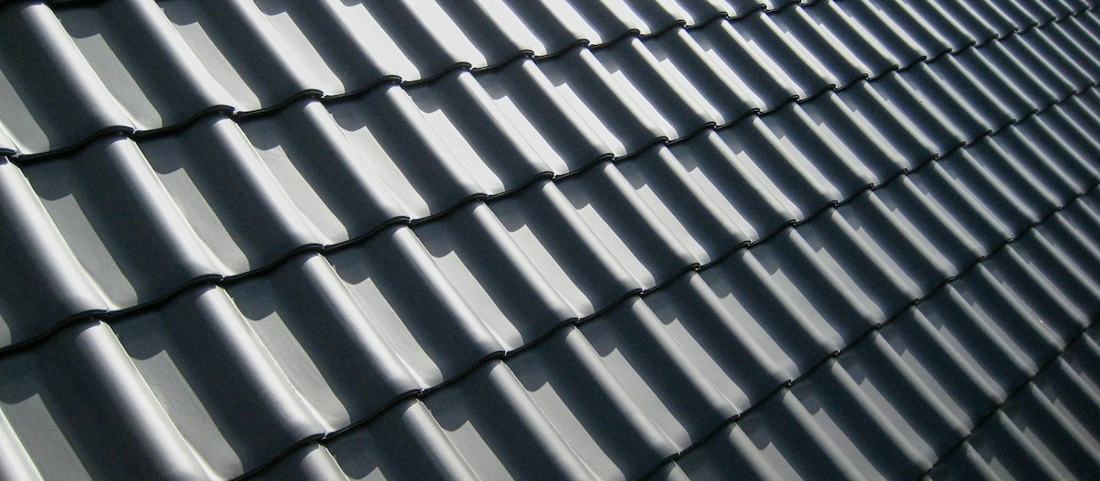
One cracked tile does not look like much from the ground. Give it a couple of winter fronts and it becomes a wet patch on the ceiling, sagging plasterboard and soaked insulation. Tile repairs are usually small, fast jobs when they are caught early, and expensive ones when they are not.
We are a referral service. Describe the problem and we pass it to one of the experienced, insured local roofers we work with. They inspect, quote free, and you deal with them directly from there.
Common tile roof problems up here
- Impact cracks from dropped limbs. The single most Hills-specific cause. Marri and jarrah shed heavy limbs, and a tile does not survive one landing on it. Common anywhere under mature canopy, including Mahogany Creek and Stoneville
- Slipped tiles where failed ridge mortar or broken clips let tiles slide out of line
- Fretting and surface erosion on 1960s concrete tiles that lost their coating decades ago, which is most of the older stock in the district
- Blocked and rusted valley irons. Bark and nuts pack a valley, water sits in it, and the iron rusts through from the inside even when every tile above it is intact
- Broken ridge capping after a front comes through, which pairs with roof repointing
What a repair visit involves
The roofers we work with start with an inspection, because the visible broken tile is often not the only one and sometimes not even the source of the leak. A typical repair visit covers replacing cracked and slipped tiles with matching or compatible tiles, re-seating anything that has moved, clearing and checking the valleys and flashings, and flagging anything bigger before it becomes urgent. Matching older tile profiles is a genuine skill, and roofers who have worked Hills roofs for a long time know where to source them.
What tile repairs cost
Guide pricing only, from Australian cost guides. Small repairs are typically priced as a minimum callout, often a few hundred dollars, covering a handful of replaced tiles. Larger repairs with valley replacement or extensive tile sourcing run higher and are quoted after inspection. Access drives the number more than people expect: a single-storey house on a block that falls away needs edge protection just the same as a two-storey on the flat. Treat any phone estimate as provisional until someone has been on the roof. If the repairs list keeps growing, a full restoration can be better value, and the numbers are in our roof restoration cost guide.
Repair now or restore the roof
A useful rule from the roofers we work with: if you are replacing a few tiles every year or two, the roof is telling you something. Widespread fretting, brittle tiles that crack underfoot and crumbling pointing across the whole roof mean patch repairs are buying months, not years. At that point a full restoration, meaning clean, repair, repoint and coat, is usually cheaper over ten years than a rolling series of callouts. An honest inspection will tell you which side of that line your roof sits on.
Safety and licensing
Tile roofs are brittle to walk on and dangerous when damp, so repairs belong with insured professionals using proper height safety gear.
WA has no roofing-specific licence class, and that is not the same thing as roof work being unregulated. What matters is how your job is classified, and Building and Energy's own guidance on builder work notes that builder work can include re-roofing.
The regulator is Building and Energy. Builder work is building work that needs a building permit and is valued at $20,000 or more, or $50,000 or more for a Class 10a building, meaning a shed, carport or private garage, and it must be carried out by a registered building contractor or an approved owner-builder. Work that needs no building permit can be carried out by anyone whatever it costs. So there are two questions to ask rather than one. Ask your local government, which is the permit authority, whether your job needs a building permit. Then ask the contractor what registration they hold and check it with Building and Energy before you sign anything. Insurance and an itemised written quote are worth checking too, but they are not a substitute for that. Most one-off tile repairs are nowhere near those figures, but a large repair package can be.
If water is coming through right now, go straight to roof leak repairs.
Related services: roof repointing, roof cleaning and roof painting.
Frequently asked questions
Can one broken tile really cause a leak?
Yes. Tiles overlap to shed water, and a single crack in the wrong spot sends water onto the sarking or straight into the cavity. In a solid winter downpour a small entry point moves a lot of water.
A branch came down on the roof. What should I do first?
Do not get up there to look, especially if the roof is wet. Photograph it from the ground, move anything valuable out from under the affected part of the ceiling, and get it inspected. Broken tiles from limb strike are replaced during the repair stage and the quote should say so line by line.
My tiles look discontinued. Can they still be matched?
Usually. Local roofers keep contacts for second-hand and salvaged tiles in the common profiles, and a near-match in a discreet spot is often fine. Worst case, tiles are borrowed from a hidden part of your own roof and the substitutes go there.
Should I walk on the roof to check the damage?
No. Concrete and terracotta tiles crack underfoot, and a fall from roof height causes serious injury. Look from the ground or through binoculars and let an insured roofer do the close inspection.